Ziyuan Quhe/his

Master of Design Innovation and Technology · RMIT University

Master's student in Design Innovation and Technology at RMIT University, Melbourne, currently visiting Monash University's Exertion Games Lab. I also go by Bryce.

I study embodied interaction and extended reality — specifically, how people adapt their movement and bodily strategies when interactive environments change. The longer version is below.

Research Interests

My research explores embodied interaction, extended reality, and wearable and ubiquitous sensing. I am particularly interested in how people adapt their movement and bodily strategies when the relationship between their actions and interactive environments changes. Building on this, I explore how sensing, haptics, and physical–digital interfaces can make interactive systems more responsive to users' behavior and bodily states. More broadly, I aim to design and study human-centered technologies that connect perception, action, and the physical environment across immersive and everyday contexts.

News

2026.07
Joined the Exertion Games Lab at Monash University as a visiting student.
2026
Mapping the Landscape of Affective Extended Reality received an Honorable Mention at CHI '26.
2026
From One-Time Choices to Future Behavior appeared at UbiComp '26 Companion in Shanghai.
2026.01
Started a visiting semester in Game Design and Development at Aalto University, Helsinki.
2025.10
Began Dissonant Affect, an independent project on immersive affective news and media bias cognition.

Selected Publications

All →

From One-Time Choices to Future Behavior: Revising Privacy Rules for AI Assistants in Shared SpacesTo appear

Ziyuan Qu, Jiaxi Hu, Zhiqi Gao
UbiComp Companion · October 2026
pdf
abs
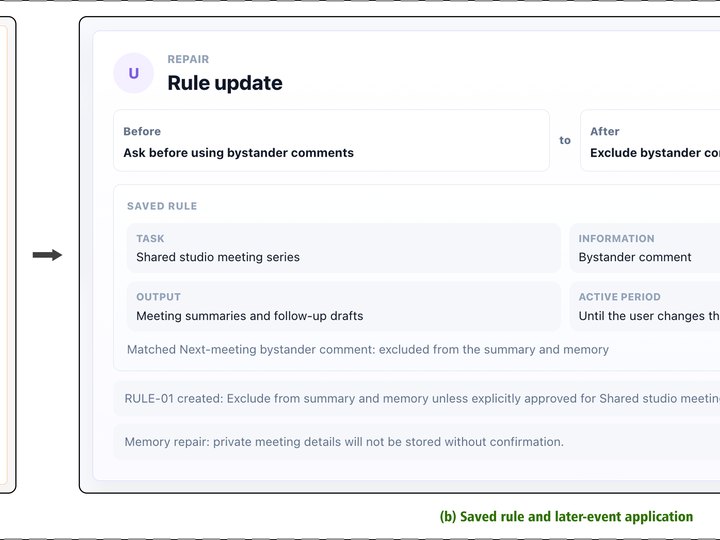
An AI assistant in a shared room hears people who never asked to be recorded. Our prototype lets the primary user set privacy rules and decide, in the moment, whether a bystander's remark may be used — then either confine that decision to the current event or save it as a rule for later ones. A five-participant formative walkthrough found everyone could complete the decision, but two could not tell which future situations their saved rule would cover. The lesson is specific: when someone saves a privacy rule, its future reach has to be visible at the moment of saving.
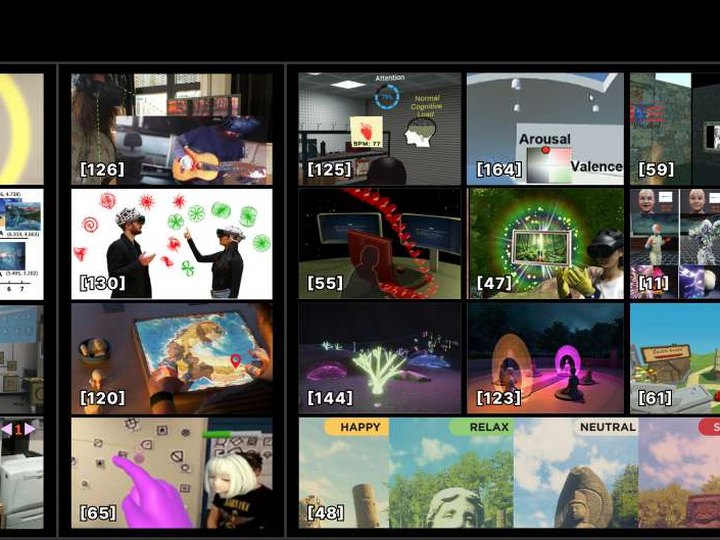
Mapping the Landscape of Affective Extended Reality: A Scoping Review of Biodata-Driven Systems for Understanding and Sharing EmotionsHonorable Mention

Zhidian Lin, Allison Jing, Ziyuan Qu, Fabio Zambetta, Ryan M. Kelly
CHI · April 2026
Introduces affective extended reality as a way to characterise XR systems that use biodata to make emotion understandable. HCI has produced many such systems, but they had not been mapped into a coherent whole. We reviewed 82 papers at the intersection of biodata, emotion and XR, analysing the sensing technologies they rely on, the interaction techniques they employ, and the design space they collectively describe.

Beyond the Screen: Passive Peripheral Touch for Reducing Occlusion in Mobile InteractionAccepted

Ziyuan Qu, Yibo Meng, B. Liu, Yan Guan
CHI Workshop · April 2026
abs
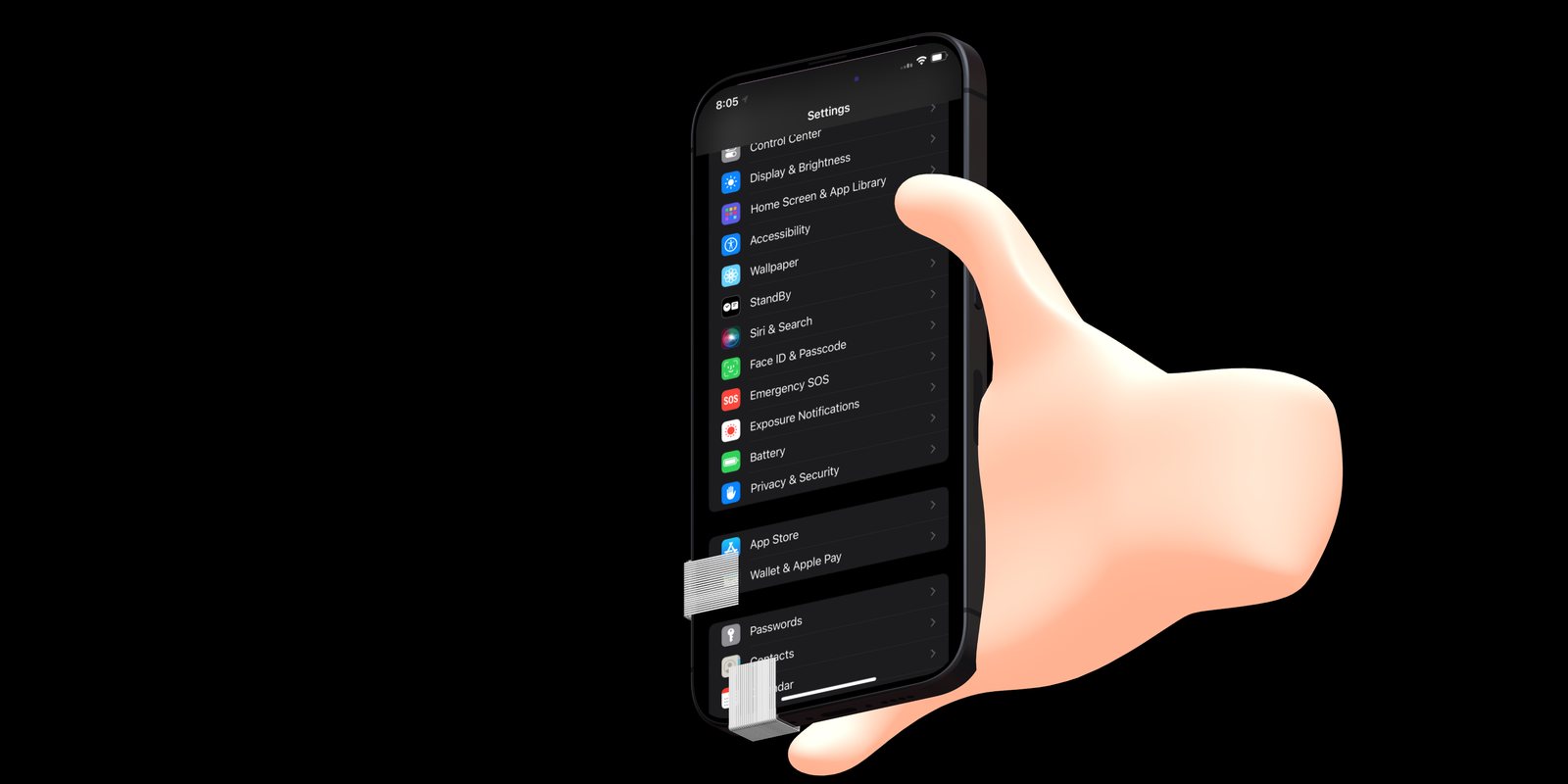
A passive, battery-free accessory that moves the finger off the screen. Metal tines act as extended electrodes so taps and swipes still register while the hand stops covering what the user is trying to read.

Selected Projects

All →

Was Here: From Presence to Trace

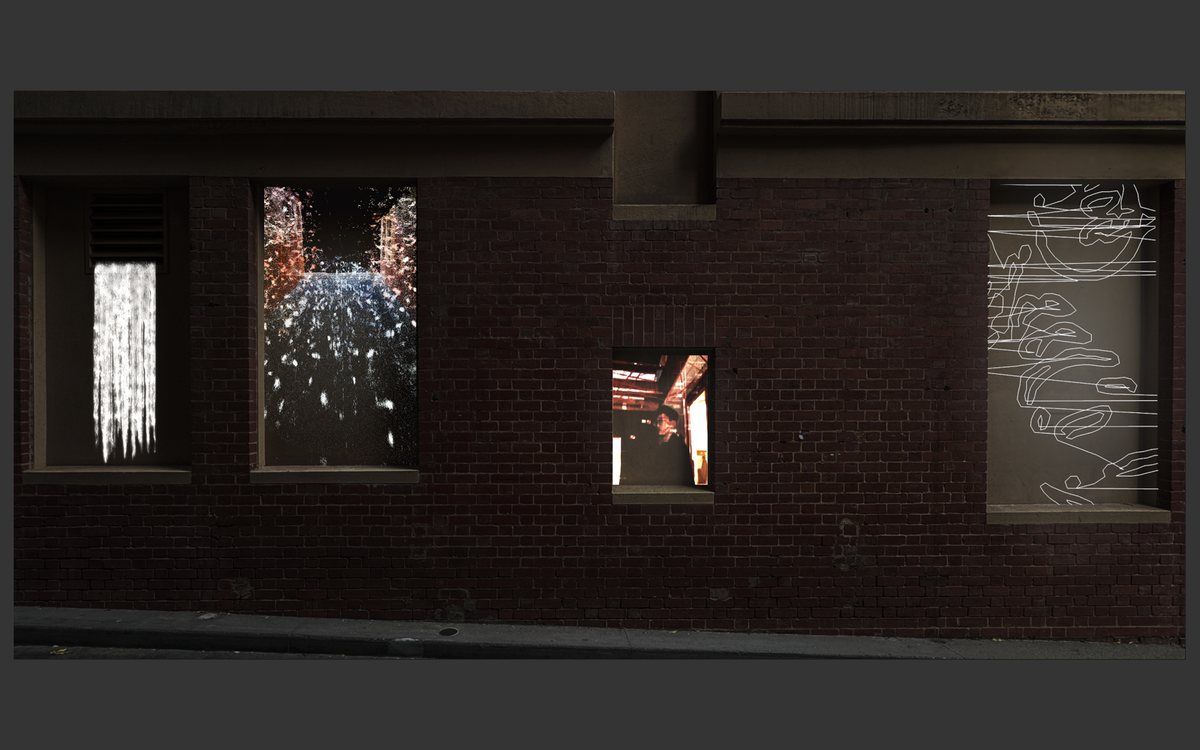
A projection installation that turns people walking through a corridor into four kinds of trace.

2025ProjectionComputer visionPassive interaction

Telepathic Jar

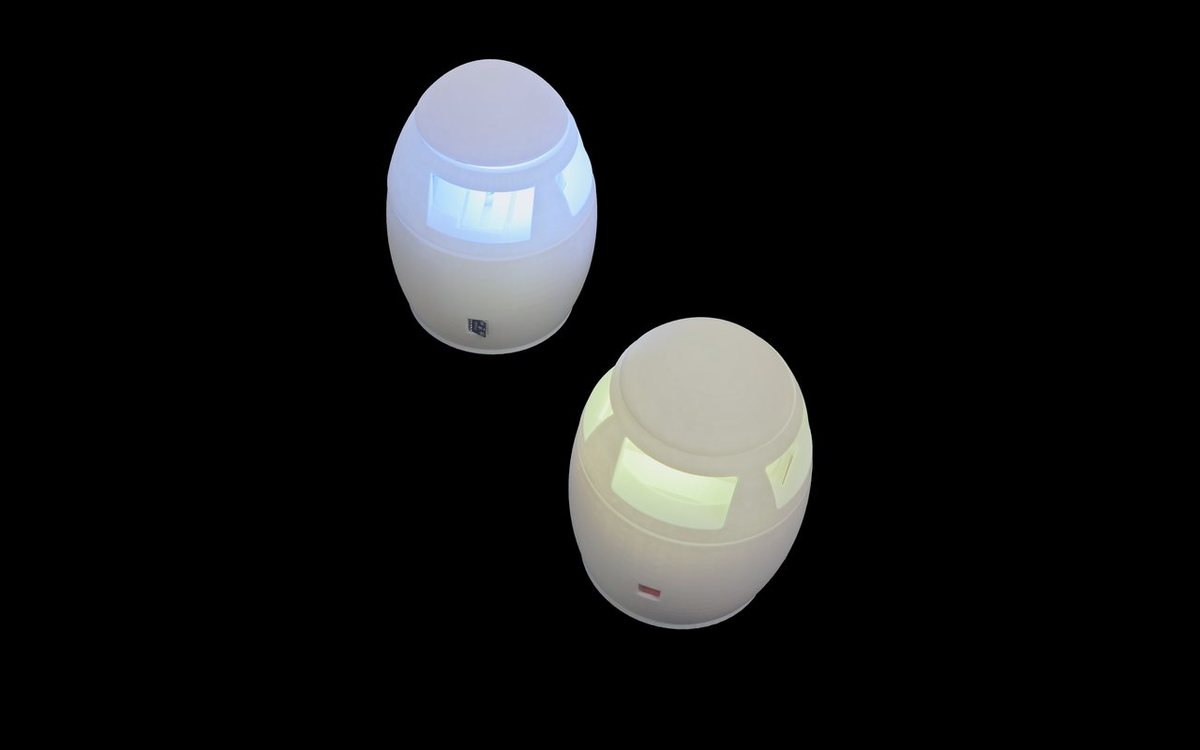
Two IoT bottles that sense the weather where each person is and translate it into light and mist.

2025IoTESP32MQTT

Dislocation Communication

A two-player narrative game that helps a parent and a child read what sits under an argument.

2024Unreal EngineNarrative designMental health